Umicore Refinery: Precious Metals Recycling and Gold Bars from Belgium
Umicore refinery in Hoboken near Antwerp is a large precious metals refinery run by Umicore, a Belgian materials technology group based in Brussels. The plant recovers gold, silver and platinum group metals mainly from recycled material. Under its own name, Umicore sells investment bars from 1 g to 5,000 g.
Who is Umicore?
Until 2001 Umicore was called Union Minière; it was formed in 1989 from the merger of four metals and mining companies. Its roots go back to Union Minière du Haut-Katanga, founded in 1906. Since the 2000s the group has moved away from mining: copper and zinc refining were spun off in 2005 and 2007, and the last mining stake was sold in 2008.
Today Umicore focuses on battery materials, catalysts, specialty materials and recycling. Its shares are listed on Euronext Brussels and have been part of Belgium’s benchmark index BEL 20 since 1991. In 2025 Umicore had revenue of €3.6 billion.
The Hoboken refinery
The Hoboken plant specialises in complex recycling streams: electronic scrap, catalytic converters and industrial residues. According to Umicore, it processes more than 200 types of raw materials there with a capacity of over 400,000 tonnes a year and recovers 17 different metals, including gold, silver, platinum, palladium and rhodium.
A large share of the gold therefore comes from recycling. In 2024 Umicore introduced Nexyclus, a guarantee for fully recycled precious metals.
Umicore investment bars
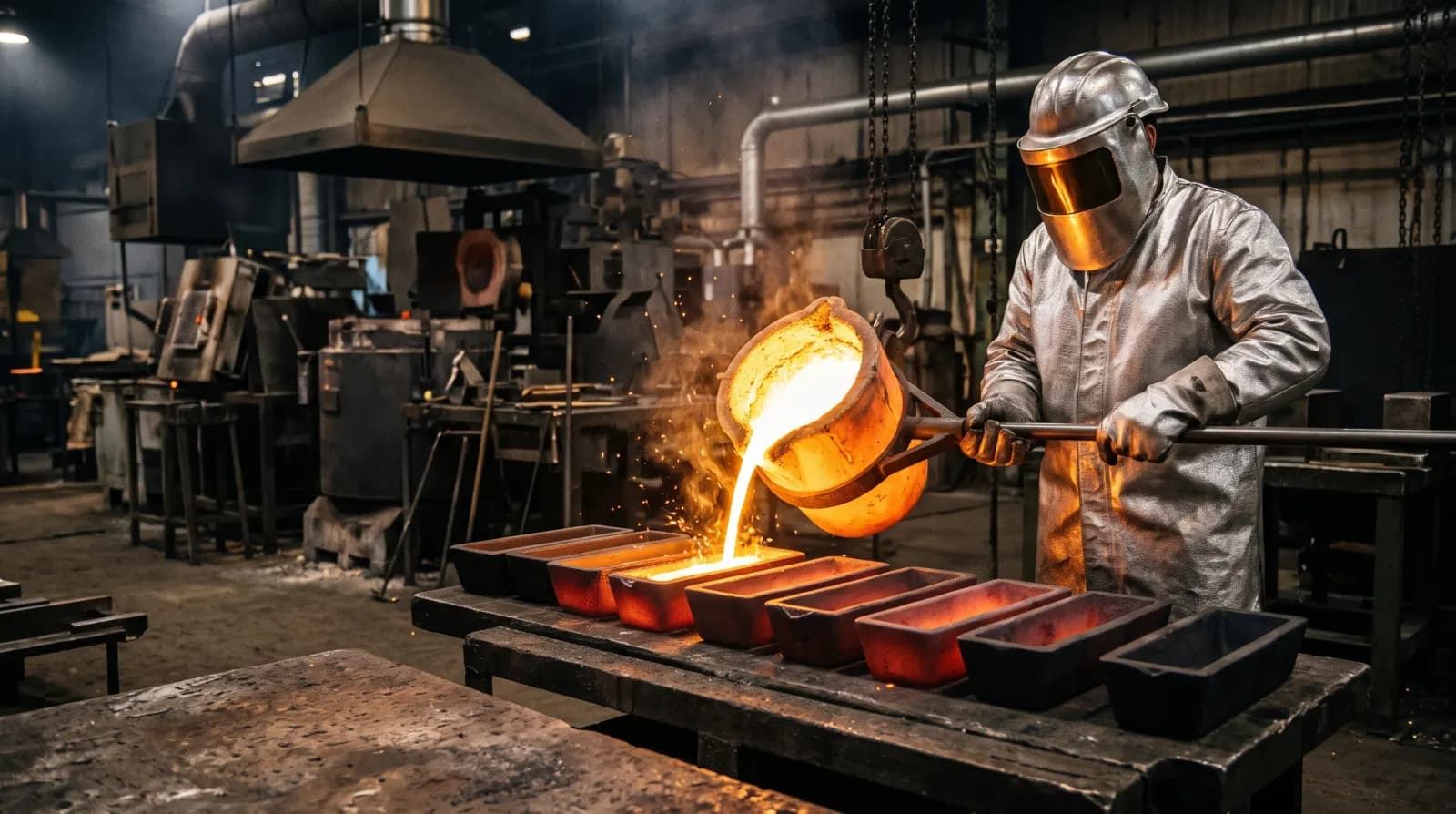
Umicore sells certified bars in sizes from 1 g to 5,000 g. According to Umicore, all bars are LBMA certified. Smaller sizes are minted and packaged with a certificate, larger ones are cast. There are also gift bars sold through banks. For the wholesale market, the Hoboken refinery makes Good Delivery bars of around 12.5 kg.
Umicore offers further precious metals services through its subsidiaries Agosi and Ögussa. Agosi AG in Pforzheim has itself been on the LBMA gold list since 2008.
Besides bars, the Hoboken refinery also makes grain with 99.99% gold, which jewellery and industrial customers process further. According to Umicore, the gold for Umicore investment bars comes from its own integrated value chain, which includes other sources besides recycling.
Certifications
According to the LBMA, the Umicore refinery in Hoboken has been on the Good Delivery List for gold since around 1930. It is therefore subject to the rules on minimum production, equity, regular quality checks and responsible sourcing with an annual audit. A former plant of Umicore Brasil is on the Former List.
For investors, the listing mainly means that the refinery is checked regularly by the LBMA: the quality of the Good Delivery bars is checked every three years under Proactive Monitoring, and the supply chain every year by an independent auditor.
Umicore and the German market
Through its subsidiary Agosi AG, Umicore is also present in Germany. Agosi in Pforzheim has itself been on the LBMA gold list since 8 April 2008 and is thus one of four German refineries on the list, alongside C. Hafner, Heimerle + Meule (both in Pforzheim) and Aurubis in Hamburg.
The roots of the precious metals business also lead to Germany: in 1887 Degussa set up a desilvering plant for lead in Hoboken. In 2003 Umicore took over Degussa’s former precious metals activities.
What does recycled gold mean for investors?
Gold from recycling is chemically identical to gold from a mine. After refining it has the same fineness and is made into the same bars. The difference lies in the supply chain: recycled gold comes from scrap gold, electronic scrap or industrial waste instead of new mining.
With Nexyclus, Umicore promotes a guarantee for fully recycled precious metals. Whether a bar made from recycled gold makes a difference to the investor is a personal question; it changes nothing about the gold content or tradability.