Rand Refinery: South Africa’s Gold Refinery and the Krugerrand
Rand Refinery in Germiston near Johannesburg is the gold refinery of the South African mining industry and is still owned by mining companies. It supplies all the gold for the Krugerrand and distributes the bullion coin, which is struck by the South African Mint. The refinery has been on the LBMA Good Delivery List since around 1921.
History and ownership
Its roots go back to 1909, when the Transvaal Chamber of Mines founded the Witwatersrand Co-operative Smelting Works. On 27 November 1920 Rand Refinery was registered as a private company. The capital came from gold mining companies that were members of the Chamber of Mines. The aim was to refine the gold from South African mines in the country instead of shipping raw gold to London.
In principle, this structure has not changed: Rand Refinery is an independent private company whose shareholders come from the South African gold mining industry. Sources give differing figures for the exact distribution of shares.
A 2021 sponsor list of the Joburg Indaba names AngloGold Ashanti, Sibanye-Stillwater, Harmony Gold, Gold Fields and DRDGold as shareholders. Rand Refinery describes itself as an independent company backed by two of the world’s largest gold mining groups.
Refinery and certifications
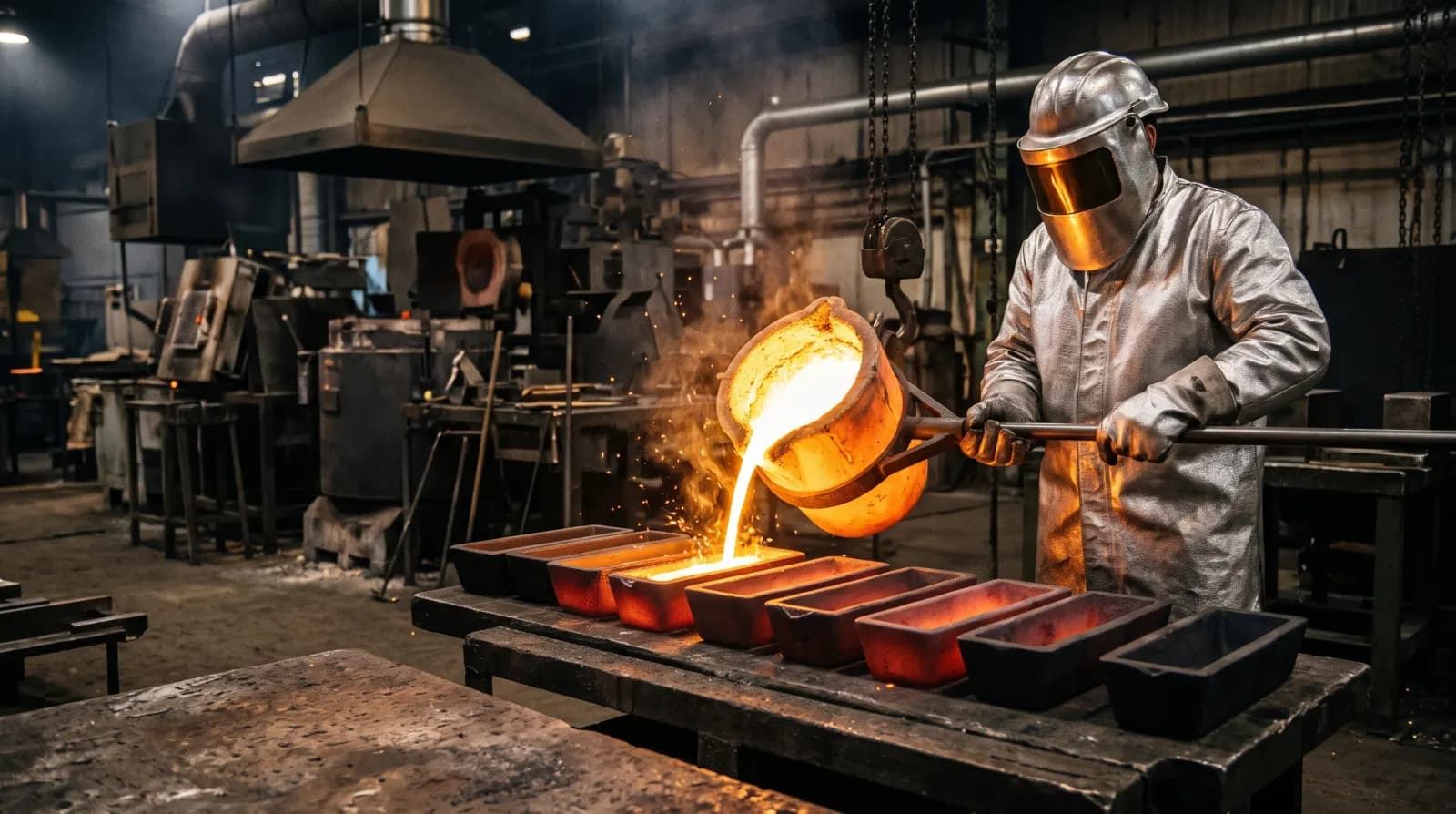
Rand Refinery is considered the largest integrated precious metals refining and smelting complex on a single site. According to the LBMA, it has been on the Good Delivery List for gold since around 1921. It is also one of the LBMA’s referee refineries, which test samples for the quality control of other refineries.
As a Good Delivery refinery, it is subject to the LBMA rules on responsible sourcing of gold and silver with an annual audit.
Its role in the Krugerrand
The Krugerrand was first struck on 3 July 1967 to market South African gold internationally. It is made jointly by Rand Refinery and the South African Mint: Rand Refinery supplies all the gold and is the sole supplier to the primary distributors at home and abroad, while the South African Mint strikes the coins.
The Krugerrand is made of 22-carat gold (91.67%), alloyed with copper. This makes it more robust than fine gold coins, but it contains a full fine ounce of gold. Since 1980 there have been 1/2, 1/4 and 1/10 ounce sizes as well as the ounce. By 2017 more than 60 million Krugerrand coins containing a total of more than 53 million ounces of gold had been sold.
In the 1970s and 1980s, importing the Krugerrand was banned in many Western countries because of the sanctions against the apartheid regime, in the USA from 1985. Most sanctions were lifted in 1991.
Other products
Besides Krugerrands, Rand Refinery makes cast and minted bars in gold and silver, as well as coin blanks, medals and semi-finished products. For 100 g and 1 kg bars, the fineness ranges from 995.0 to 999.9 depending on the version.
The Krugerrand and the South African Mint
The South African Mint is South Africa’s mint and strikes the Krugerrand in cooperation with Rand Refinery. For investors, this division of tasks matters mainly for the origin: the gold comes from an LBMA-listed refinery, and the coin carries South Africa’s official legal tender status.
Because the Krugerrand is 22 carat, the one-ounce coin weighs more than one fine ounce. The gold value, however, is determined only by the fine gold content of exactly one ounce.
In its dealer listings, the refinery lists Krugerrand dealers in South Africa and abroad separately.
Importance for the LBMA
Rand Refinery is the only African refinery on the current LBMA gold list. Its former CEO Praveen Baijnath was appointed to the LBMA board in July 2022. Its role as a Good Delivery referee means that Rand Refinery analyses samples from other refineries for the LBMA.