Knowledge
Gold & Silver 101: The Basics for Precious Metals Buyers
Gold & Silver 101 sums up what you should know before buying precious metals for the first time. These pages explain how purity and karats relate, how the price of a bar or coin is made up, which tax and reporting rules apply in Germany, how to spot counterfeits and what options there are for storing gold safely.
- Gold Purity and Karats: 585, 750, 333 and 999.9 Gold ExplainedWhat the hallmarks 333, 585, 750 or 999.9 mean and how to use them to work out the gold value per gram.
- Krugerrand Value: What Determines the Price of the Gold CoinThe Krugerrand contains exactly one troy ounce of gold. Its value follows the gold price plus a premium.
- Gold Bars or Coins: Which Suits Your Gold Purchase BetterBars usually carry a lower premium; coins are known worldwide and easy to split up. The differences in detail.
- Gold Spot Price, Premium and Spread: How Dealer Prices Are MadeThe spot price applies to large bars in the wholesale market. Private buyers pay a premium and sell at a discount.
- Gold Tax in Germany: Holding Period, Exemption Limit and InheritanceIn Germany, gains on physical gold are tax-free after a one-year holding period. What applies to the exemption limit, silver and inheritance.
- Buying Gold Anonymously in Germany: ID Checks, Limits and CustomsIn Germany, cash transactions in precious metals of €2,000 or more require identification. When crossing a border, the €10,000 threshold applies.
- How to Test Gold: Spotting Counterfeit Gold Bars and CoinsDimensions and weight are the first test. Against tungsten cores, only devices that measure the inside help.
- How to Store Gold: At Home, in a Safe Deposit Box or in a VaultGold can be stored at home, in a bank safe deposit box or in a vault. What matters are cost, access and insurance.
Own physical gold from €5
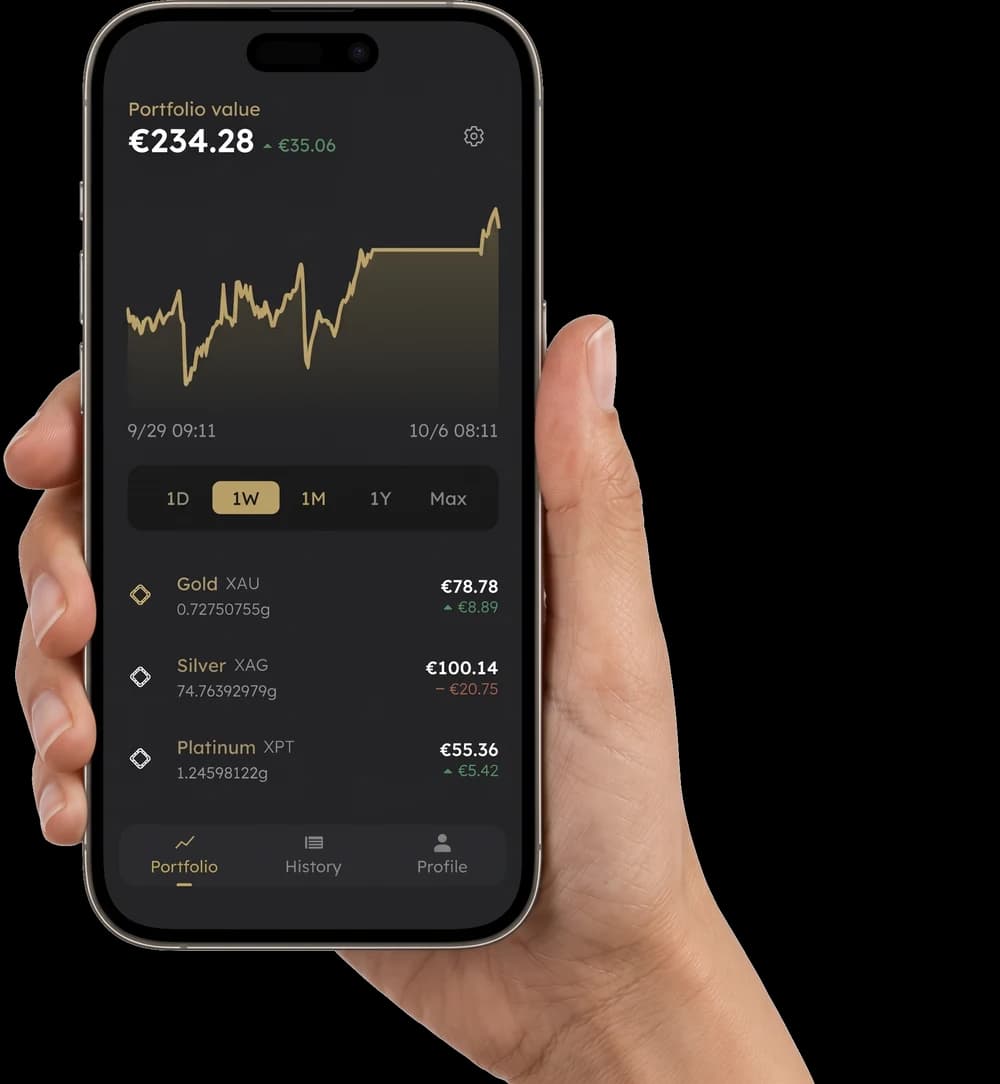
With Spargold you buy shares in real gold and silver bars through the app, stored and insured in Singapore.