Powder Keg Gulf Region & Market Shock: The Foul Play with Gold and Silver

February 6, 2026
The world holds its breath. While the drums of war in the Persian Gulf are beating louder than they have in decades, we are experiencing a phase of extreme instability in the financial markets. Over the last two weeks, a "Perfect Storm" has brewed: geopolitical escalation meets restrictive monetary policy and massive price interventions in precious metals and cryptocurrencies.
The US military presence in the region has reached a critical level. The aircraft carrier strike group led by the "USS Abraham Lincoln" acts as a floating fortress off the coast of Iran. Recent incidents – the downing of an Iranian drone and the harassment of a US tanker by Revolutionary Guards – are more than mere saber-rattling. They are test runs for a serious emergency.
US President Donald Trump faces a dilemma: an attack on the Iranian nuclear program could eliminate the nuclear threat but risks a conflagration that would paralyze the global oil economy (especially Saudi Arabia). At the same time, domestic political pressure is growing within the MAGA camp to keep the USA out of "endless wars." The negotiations in Oman under special envoy Steve Witkoff are likely the last chance before the cruise missiles fly.
The uncertainty is reflected in a massive flight to liquidity (cash). Contrary to the theory that gold rises immediately in crises, we saw a correction – often driven by margin calls in other sectors such as the stock market or crypto.
| Asset | Performance (14 Days) | Background of the Movement |
|---|---|---|
| Bitcoin (BTC) | -27.5 % | De-leveraging and withdrawal of risk capital due to the threat of war. |
| S&P 500 | -6.8 % | Fear of exploding energy costs and recession risk. |
| Gold (Physical) | -10.2 % | Institutional profit-taking and dollar strength due to interest rate fears. |
| Silver (Spot) | -34.5 % | Massive short attacks on the paper market (COMEX) despite high demand. |
Why is silver falling so much more sharply than gold? Experts have been pointing to the structure of the paper market for years. Large bullion banks like JP Morgan (which has already paid record fines for "spoofing" in the past) and other institutions use the futures market to suppress prices. By selling uncovered paper contracts (short-selling), which represent many times the amount of physical silver existing worldwide, the price is artificially manipulated downwards.
Does the USA benefit from weak precious metal prices? The answer is a clear yes. A low gold and silver price supports the illusion of a strong US dollar. If gold and silver were to reflect their true purchasing power against the inflated dollar, confidence in the global reserve currency and the ability of the USA to service its massive debt would collapse immediately.
We are currently observing a historic divergence: while the paper price falls, physical metal is becoming scarce worldwide. Central banks in China and Russia continue to buy every ounce of gold they can get. For the private investor, the current setback offers a paradoxical but brilliant opportunity.
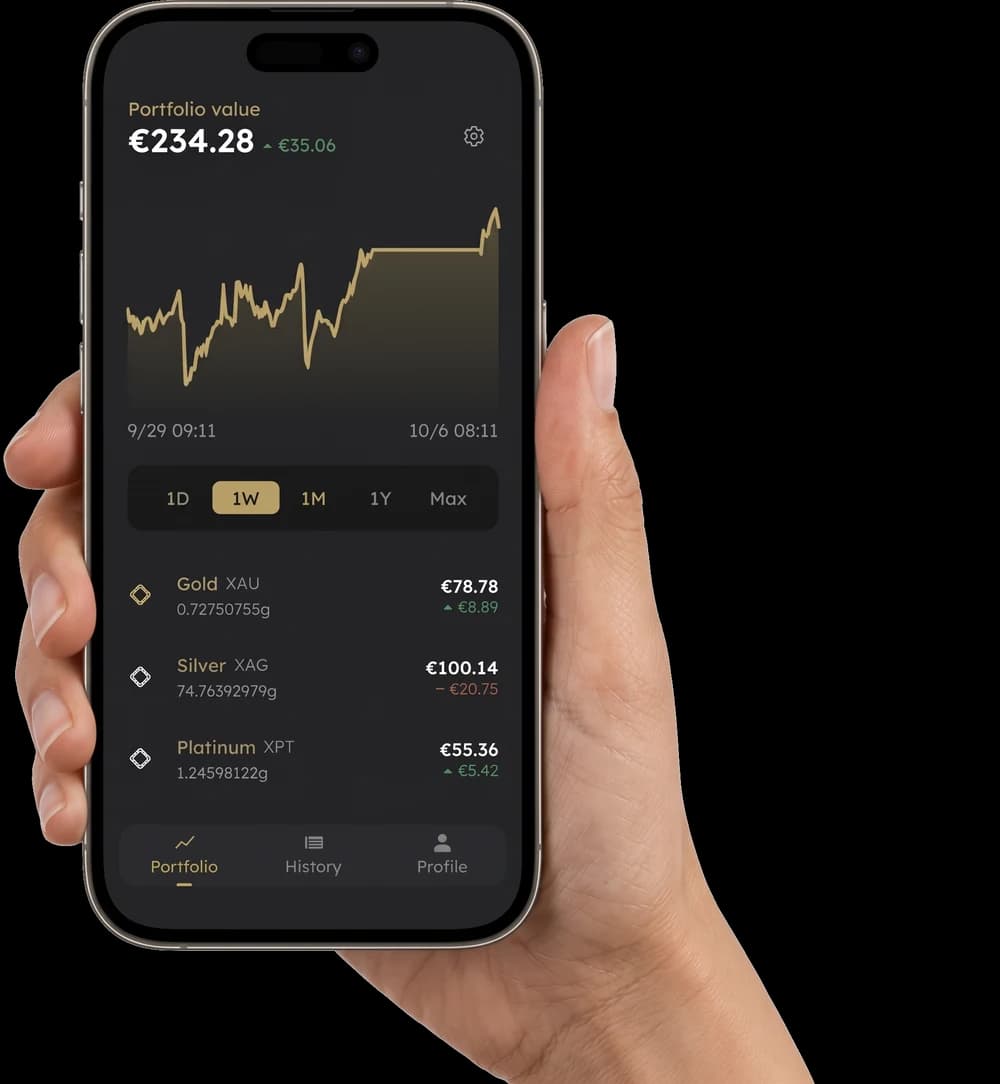
If the geopolitical situation in the Gulf tips, the flight into real assets could overrun the banks' paper manipulations like an avalanche. With the Spargold App, you secure real ownership. You are not buying a promise on paper, but physical gold and silver that is securely stored for you outside the EU. Protect your assets before the "window of opportunity" closes.
Stay farsighted and rely on real values
Your Nils Gregersen