Silver at 78 US Dollars: Why the Market is Nervous — and What Investors Can Learn from It

May 17, 2026
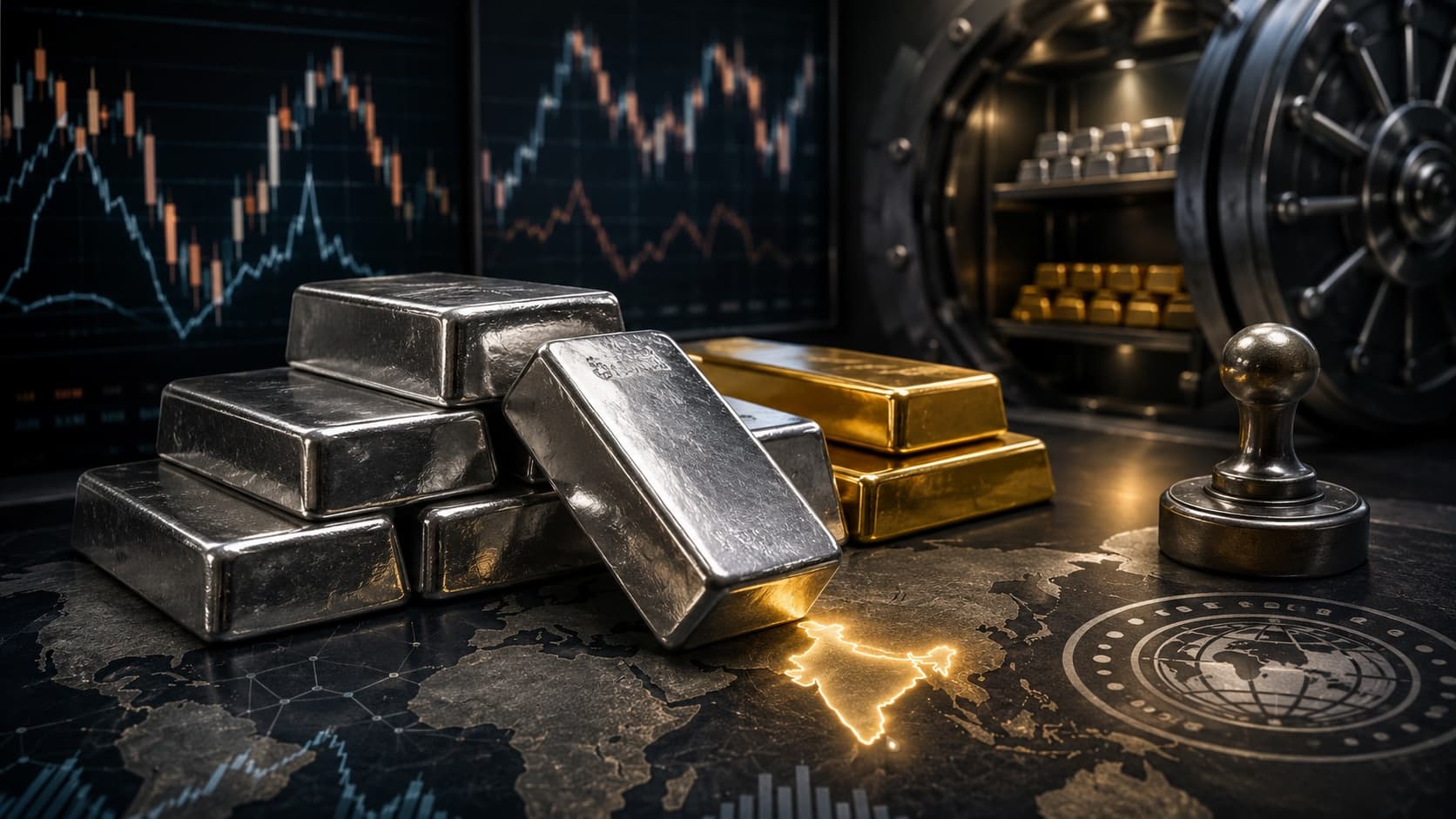
Silver is once again at the center of the precious metal markets. On May 15, 2026, the price fell significantly. Reuters recently showed silver at around 78.50 US dollars per troy ounce, while Trading Economics reported 75.75 US dollars. Depending on the source, the daily loss was between approximately six and nine percent.
At first glance, this looks like a relaxation.
But that would be too simple.
Because only one day later, on May 16, 2026, Reuters reported: India is restricting large parts of its silver imports with immediate effect. Silver bars with 99.9% purity and semi-processed silver forms were moved from “freely importable” to “restricted.” These categories previously accounted for over 90% of Indian silver imports.
This is relevant because India is one of the world's most important physical silver markets. Reuters reports that India imports more than 80% of its silver and the silver import bill rose to 12 billion US dollars in the 2025/26 fiscal year — up from 4.8 billion US dollars the previous year. In April alone, imports rose by 157% compared to the previous year.
What does this mean?
In the short term, import restrictions can dampen demand. If less silver is allowed into the country, buyers may switch, wait, or have to pay local premiums.
At the same time, however, such interventions can also affect confidence in the availability of physical goods. The market then asks not only: What does silver cost? But: Where is silver actually available?
And this is exactly where it gets interesting.
The global silver market is expected to remain in deficit in 2026, according to the Silver Institute and Reuters. Reuters cites an expected deficit of 46.3 million ounces for 2026 — after 40.3 million ounces in 2025. Since 2021, a total of 762 million ounces have been withdrawn from stocks, according to this analysis.
This is not proof that silver must rise immediately.
But it is a clear indication: the market is structurally not relaxed.
At the same time, silver remains contradictory. It is not only a crisis metal but also an industrial metal. Industrial demand can suffer if the global economy weakens. Reuters reported in February 2026, that industrial silver demand could fall by around 2% to 650 million ounces in 2026. At the same time, an increase in physical investment demand was expected.
This is the core:
Silver is not a simple safe-haven investment.
Silver is a metal under tension.
It stands between the monetary system, industry, energy, electronics, investment demand, and political control.
Gold is the calmer anchor in this situation. Although gold also fell significantly on May 15 to around 4,550 US dollars per troy ounce, structural central bank demand remains high. The World Gold Council reported net central bank purchases of 244 tons for the first quarter of 2026, an increase of 3% compared to the previous year.
For investors, this leads to a sober conclusion:
Not every setback is automatically a buying opportunity.
Not every rally is sustainable.
Not every deficit leads immediately to higher prices.
But real assets gain importance when the monetary system, politics, and commodity markets come under pressure simultaneously.
Silver at 76–78 US dollars is therefore not just a number. It is a signal that physical precious metals have once again become politically, industrially, and monetarily relevant.
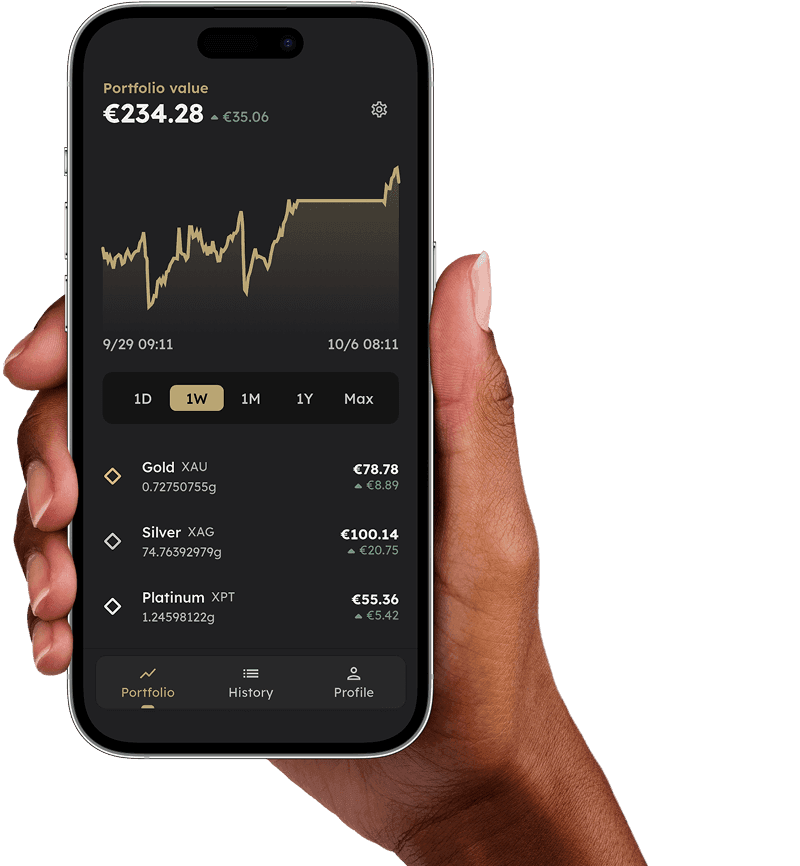
Spargold addresses exactly this point: not with panic, not with price promises, but with gradual access to physically backed precious metals.
Because the real question is not:
“Where will silver be tomorrow?”
But:
“How much of my wealth is truly real when markets, currencies, and political rules suddenly change?”
Stay far-sighted
Yours, Helge Peter Ippensen