US Mint Halts Sale of Silver Coins – A Warning Signal for the Silver Market

January 17, 2026
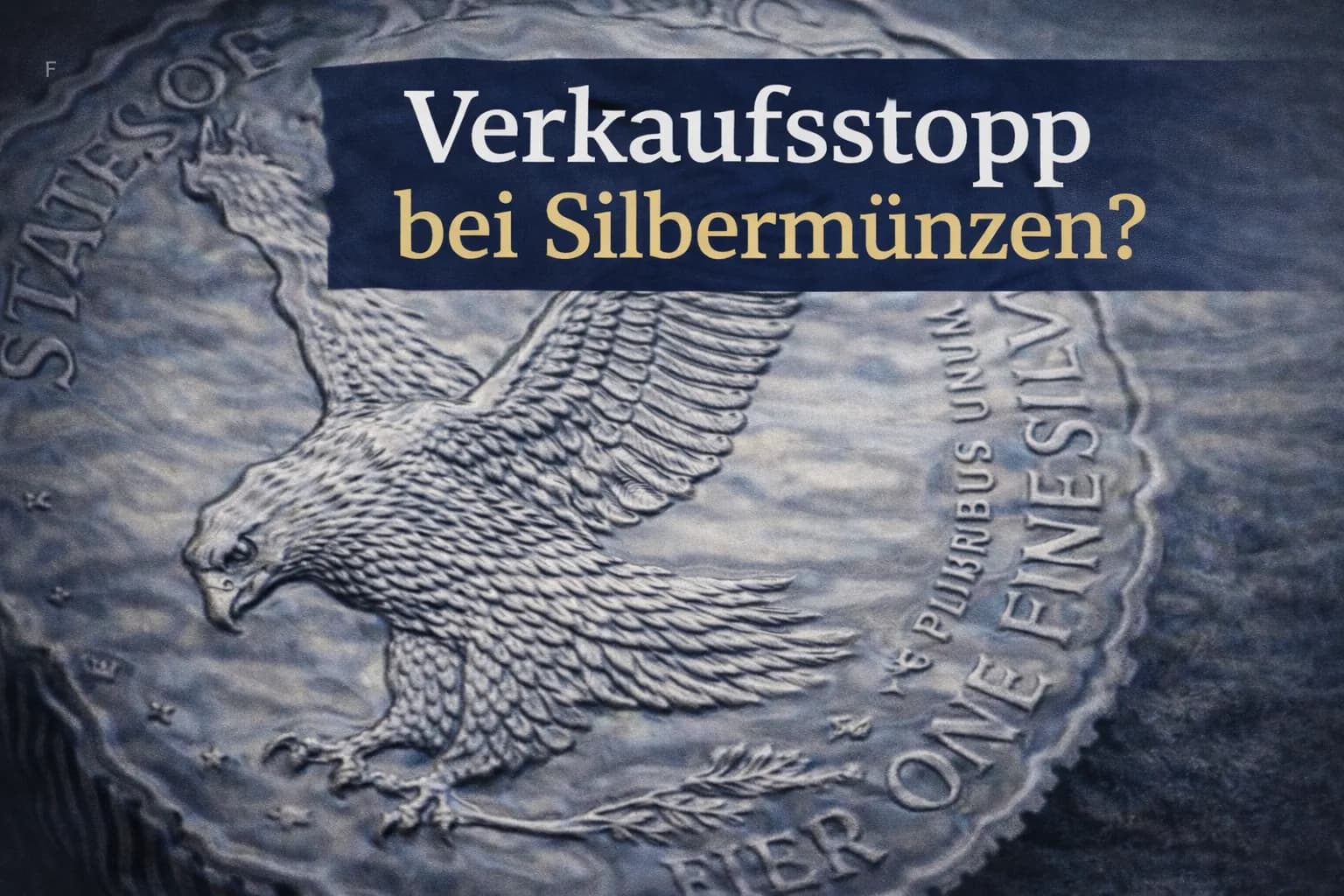
The physical silver market is once again in the focus of investors. The renowned United States Mint has temporarily suspended the sale of certain silver coins. The background is the exceptionally strong price increase in silver, which recorded significant double-digit fluctuations within a short period. For market participants, this step is more than an operational measure – it illustrates structural tensions in global precious metal trading.
The US Mint justifies the sales halt with the necessity to adjust its price structure to the sharply risen metal costs. Numismatic silver products are particularly affected, as their original calculations were based on significantly lower silver prices. If the spot price rises faster than administrative price updates are possible, an economically unusual situation arises: the material value approaches the selling price or even exceeds it.
This development is not an isolated case. In previous phases of sharply rising silver prices, the US Mint has already been forced to implement temporary sales pauses to avoid economic distortions and ensure the long-term availability of products.
The current price relation between classic bullion coins and numismatic silver products is striking. While collector coins usually show a stable premium over the pure metal value, the rapid rise in silver prices has partially reversed this logic. The market price for silver is now significantly above the levels at which many of these coins were originally offered.
For investors, this underscores how sensitively the physical market reacts to supply shortages. Production halts, price updates, and logistical delays can have stronger short-term impacts than price movements visible on the futures markets.
The sharp rise in the silver price does not coincide by chance with a phase of increased geopolitical tensions, persistent inflation concerns, and growing doubts about the stability of state financial systems. Silver benefits doubly: as a monetary precious metal and as an industrially sought-after raw material, for example for energy technologies and electronics.
The step taken by the US Mint makes it clear that physical silver is not available at will, even if it is traded on the exchanges. For long-term oriented investors, the question of real deliverability and physical hedging thus comes to the fore once again.
The temporary sales halt is not a sign of market failure, but rather an indication of increasing tensions between the paper market and physical reality. State mints in particular do not act speculatively, but are cost-oriented. When even they are forced to temporarily withdraw products from the market, it shows the dimension of the current price movement.
For investors, this means viewing physical silver in a differentiated manner, not analyzing price developments in isolation, and incorporating supply structures more strongly into the valuation. Short-term fluctuations remain possible, but the structural importance of silver as a tangible asset is underlined rather than weakened by such events.
Stay farsighted
Yours, Helge Peter Ippensen