Italy's Gold Strategy: Why the State Repatriates Gold and You Should Store It Offshore

December 12, 2025
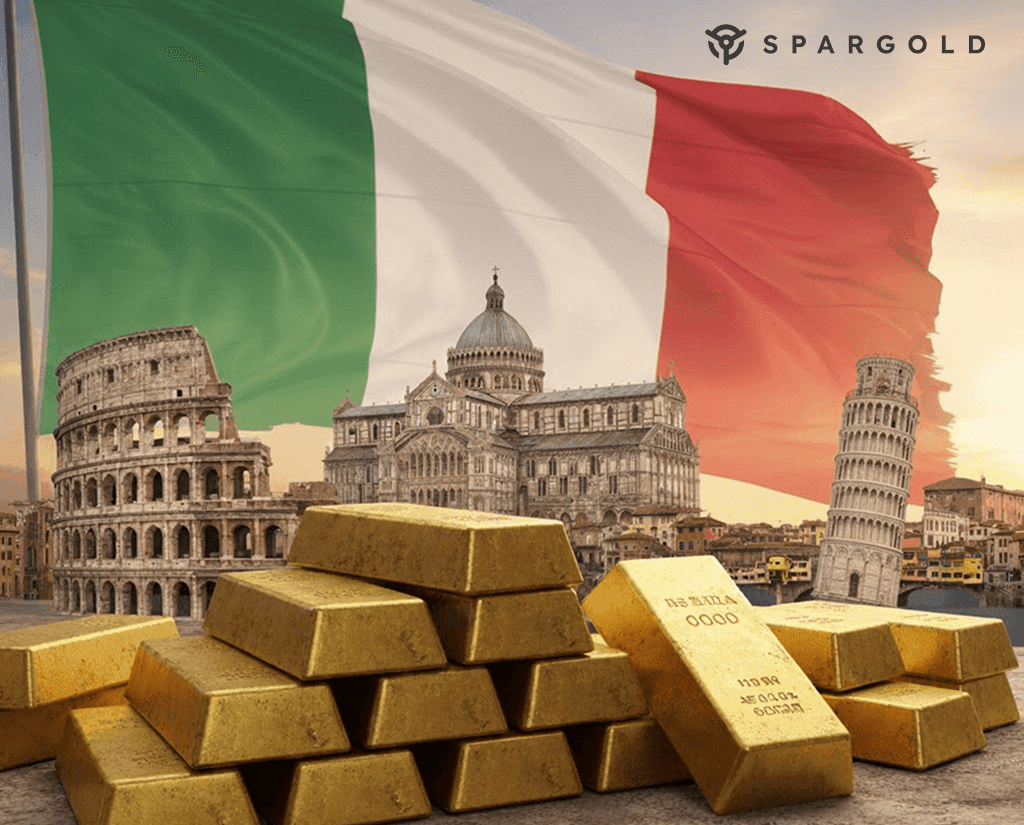

In recent weeks, a piece of news has garnered attention across Europe: Italy has reportedly begun to "secure" parts of its gold reserves. But what exactly does this mean—and why is this topic equally explosive for the economy, politics, and citizens?
In this article, we take a look behind the scenes and illuminate why gold is more than just a shiny metal for Italy—and why private investors should draw important conclusions for their own wealth strategy.
With over 2,450 tons of gold, Italy holds the third-largest gold reserves in the world, following the USA and Germany. Depending on the current market price, the value of this treasure stands at around 160 to 180 billion euros. For states, gold plays a very special role:
Especially for a highly indebted country like Italy, this gold treasure is more than just a balance sheet item; it is a symbol of economic stability and independence.
The term sounds dramatic, but behind it often lie technical, organizational, or geopolitical precautionary measures. These include:
Italy is not alone in this. several states—including Germany, Poland, and the Netherlands—have also repatriated massive gold reserves from abroad (for example, from New York or London) in recent years.
Italy's financial situation remains tense. High national debt, political turbulence, fluctuating interest rates, and persistent inflation in the Eurozone are putting the country under pressure. The fact that the state is protecting its gold reserves is therefore not surprising. Gold is the final anchor when markets and paper currencies falter.
When states like Italy specially secure their gold, the question arises: What does this mean for European citizens who own physical gold themselves?
Here lies an interesting paradox: While countries often bring their reserves into their own land, the opposite can often be sensible for private individuals. Storing gold abroad offers massive strategic advantages.
Historically, Europe has a history of gold bans, forced loans, wealth levies, and capital controls. Should another debt or Euro crisis occur, gold located domestically is legally and physically more vulnerable than holdings in independent jurisdictions.
If you store your entire wealth in just one country, you carry 100% of the sovereign risk. Storing abroad significantly reduces this risk. Stable financial centers are particularly in demand, such as:
These countries are considered politically neutral, economically stable, and traditionally friendly to property rights.
Many international storage locations offer ownership outside the banking system and clear legislation that strictly separates client gold from the provider's balance sheet. This effectively protects your assets from banking crises or so-called "bail-ins" in an emergency.
Some countries levy no VAT on investment gold, no capital gains tax, or no wealth tax on precious metals stored there. This can yield enormous financial benefits in the long run.
Especially for investors who think internationally, gold stored abroad is often easier to trade and sell globally—independent of local European bureaucratic restrictions.
When states and citizens simultaneously begin to move or secure gold differently, it shows one thing clearly: Gold remains a strategic asset—for countries and people alike.
Italy's security strategy should be understood as a signal. However, for private individuals, the rule often applies: The safest solution is the opposite of what the state does. While governments bring their reserves home to exercise control, citizens should consider diversifying their gold internationally to evade this control if necessary.
Looking for a secure addition to your portfolio?
This is exactly where Spargold comes in. We offer you not only access to physical precious metals but also intelligent solutions to store them securely and trade flexibly. In times when states are locking their vaults, we ensure that your values remain available and protected for you.
Stay forward-thinking
Your Helge Ippensen