Greenland Crisis 2026: Trump's Attack Plans, 25% Tariffs & German Bundeswehr in Nuuk

January 19, 2026
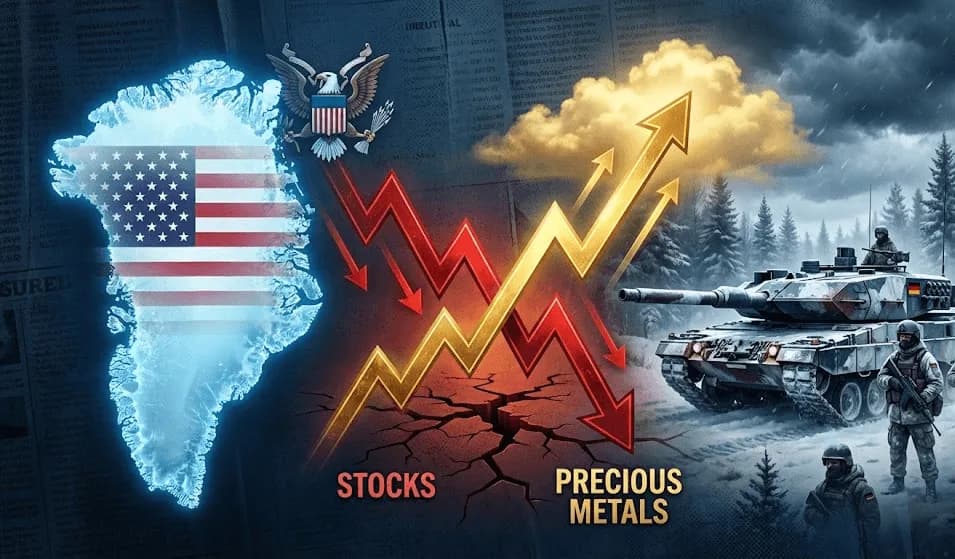
It is the moment when geopolitics stops being an abstract game and begins to directly attack our wallets. What was dismissed in 2019 as a bizarre "real estate idea" has mutated in February 2026 into the most dangerous geopolitical crisis in decades: The Battle for Greenland.
Donald Trump is getting serious. Following the Chinese export blockade on rare earth elements, the US administration no longer views Greenland merely as an island of ice, but as the strategic key to American resource independence. Yet Europe – led by Germany, France, Sweden, Finland, and Norway – has drawn a red line. The consequences are fatal: A trade war that overshadows everything before it, and a NATO facing its breaking point.
Events have spiraled out of control in the last 48 hours. After the Danish government rejected the White House's renewed, aggressive purchase offer as "absurd and hostile," Trump openly threatened "alternative measures to secure American interests."
The reaction from Berlin and Brussels was historic. Under the codename "Operation Arctic Shield", the first Bundeswehr units – specialized mountain troops – along with Danish and Norwegian forces landed this morning in Nuuk and around the critical mines of Kvanefjeld. The message is clear: Greenland is European territory and stands under the protection of EU partners.
Washington's response took less than three hours and hit the markets like a shockwave. Trump announced via "Truth Social" and in a hastily convened press conference:
"If Europe sabotages our national security in the Arctic, they will pay for it. Starting tonight, a 10% tariff applies to EVERYTHING from the EU. If the soldiers do not withdraw within 72 hours, we go to 25%."
This is the "worst-case scenario" for the export-oriented German economy. According to the Ifo Institute, 25% tariffs on cars, machinery, and chemical products would trigger an immediate recession deeper than the Coronavirus crisis.
Financial markets are reacting with panic to the escalation between NATO partners. Trust in the transatlantic security architecture has been massively damaged.
The DAX opened this morning with a loss of 4.5%. Automotive stocks (VW, BMW, Mercedes) in particular collapsed by nearly 8%. Investors fear the US market will completely fall away as a key export destination.
Those hoping Bitcoin would prove itself as "digital gold" in this crisis were disappointed. The Bitcoin price slumped below 85,000 USD, recovering slightly to 93,000 USD. In times of genuine military uncertainty, institutional investors shy away from high-volatility assets that lack physical backing.
The picture is entirely different for gold and silver. Both metals shot vertically upwards:
What does it mean for NATO when troops from member states (Germany, Denmark, France, Sweden, Finland, and Norway vs. the USA) face off in a territorial dispute? While shots have not (yet) been fired, the political alliance is effectively paralyzed.
Experts warn: If Trump uses the Thule Air Base to create facts on the ground, Article 5 could be rendered absurd. Europe must realize that it has to organize its security – and its resource supply – itself starting now. Dependence on the USA has become a deadly risk.
The Greenland Crisis brutally demonstrates how quickly the world order can change. Paper wealth (stocks) and digital promises (crypto) are extremely vulnerable in such moments. Only physical assets that require no counterparty offer real protection.
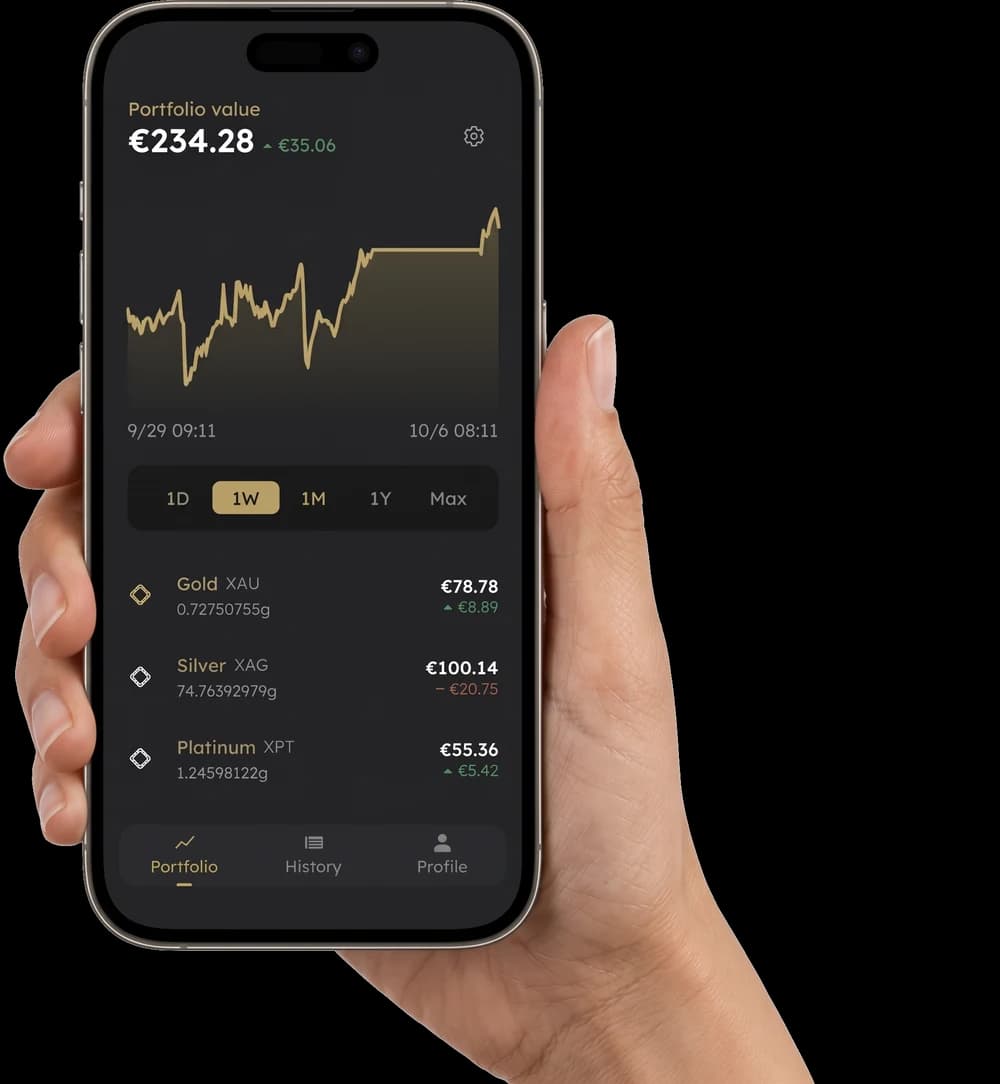
When nations fight over raw materials, you should own raw materials too. Use the Spargold App to secure your wealth now. Buy physical gold and silver – before tariffs and inflation further destroy your purchasing power. Act now, while the markets are still liquid.
Stay vigilant Yours,
Nils Gregersen