Gold Alert 2026: Must Germany's Reserves Be Withdrawn from the USA?

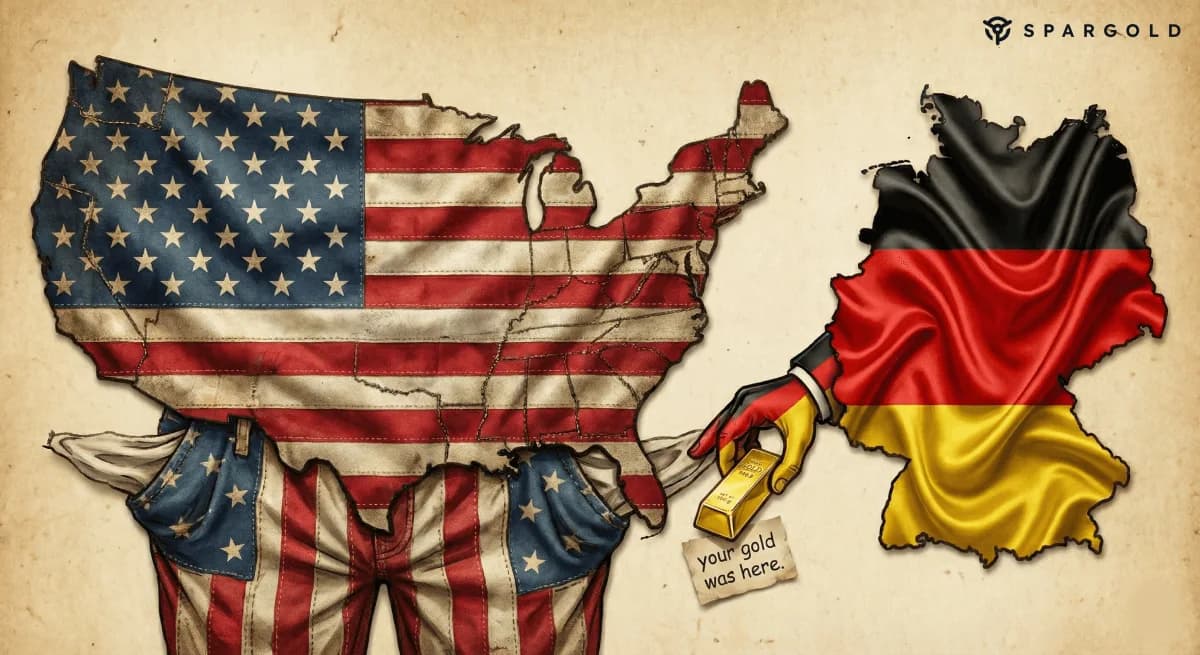
The geopolitical map has changed, and with it, the trust in old alliances. A topic that was long discussed only in niche forums is now reaching the political mainstream in Berlin: the security of German gold reserves in the USA.
With 3,378 tons, Germany possesses the second-largest gold treasure in the world – a guarantor of stability in uncertain times. Yet a massive portion of it, exactly 1,236 tons worth around 164 billion euros, is not located in Frankfurt, but in the deep vaults of the Federal Reserve (Fed) in New York.
FDP defense politician Marie-Agnes Strack-Zimmermann has now initiated a debate that is causing a headache for the Bundesbank: Is this gold still safe under the presidency of Donald Trump, or does it threaten to become a political “bargaining chip”?
To understand the volatility of the situation, it is worth looking at the current storage locations (as of early 2026):
Historically, the gold was stored abroad to protect it from access from the East during the Cold War. However, critics argue: the Cold War is over, and the new threat is the unpredictability of the closest ally.
The demands from the political sphere are clear. Strack-Zimmermann warned in Spiegel and to the Tagesspiegel that Germany does not have “unrestricted physical control” over the holdings in New York. Her concern: in a trade war or diplomatic conflict, the US government could deny access to the gold.
“It could happen as soon as tomorrow that the American government suddenly says: 'We are now keeping the gold reserves as a bargaining chip'.” – Wolfgang Wrzesniok-Roßbach, gold expert (quoted via ARD/Tagesschau)
The Greens and experts such as the former Bundesbank head of research Emanuel Mönch also advocate for greater strategic independence in the Handelsblatt. The argument: gold is only a real reserve if you can physically access it in an emergency.
This is the question that has occupied conspiracy theorists for decades, but which is now also being asked by sober analysts. When was the gold last actually counted?
The Bundesbank always emphasizes that it has full confidence in the Fed. Between 2013 and 2017, around 300 tons were brought from New York to Frankfurt as part of a partial repatriation. No irregularities were found in these bars. Nevertheless, a critical point remains:
Why doesn't Bundesbank President Joachim Nagel simply bring the gold home? The answer lies in geopolitics and market mechanics.
A complete withdrawal of German reserves would be a diplomatic affront. It would be the ultimate vote of no confidence by Europe's largest economy against the US dollar and the US government. This could:
The Bundesbank argues pragmatically: gold in New York serves liquidity. Since gold trading worldwide is primarily settled in US dollars, the gold on-site in New York can be exchanged for foreign currency within seconds to support the currency. If the gold were in Frankfurt, it would first have to be physically transported – a logistical nightmare in a crisis.
The debate over German gold clearly shows one thing: in a world where “America First” applies, European states must also shed their naivety. Gold to which one does not have direct access is, in an emergency, only a promise on paper.
What applies to the state applies even more to the private investor. Certificates, ETFs, or gold accounts at a bank are convenient but always carry counterparty risk. If even the Federal Republic of Germany has to worry about access to its property, how secure do you feel with a mere claim on paper?
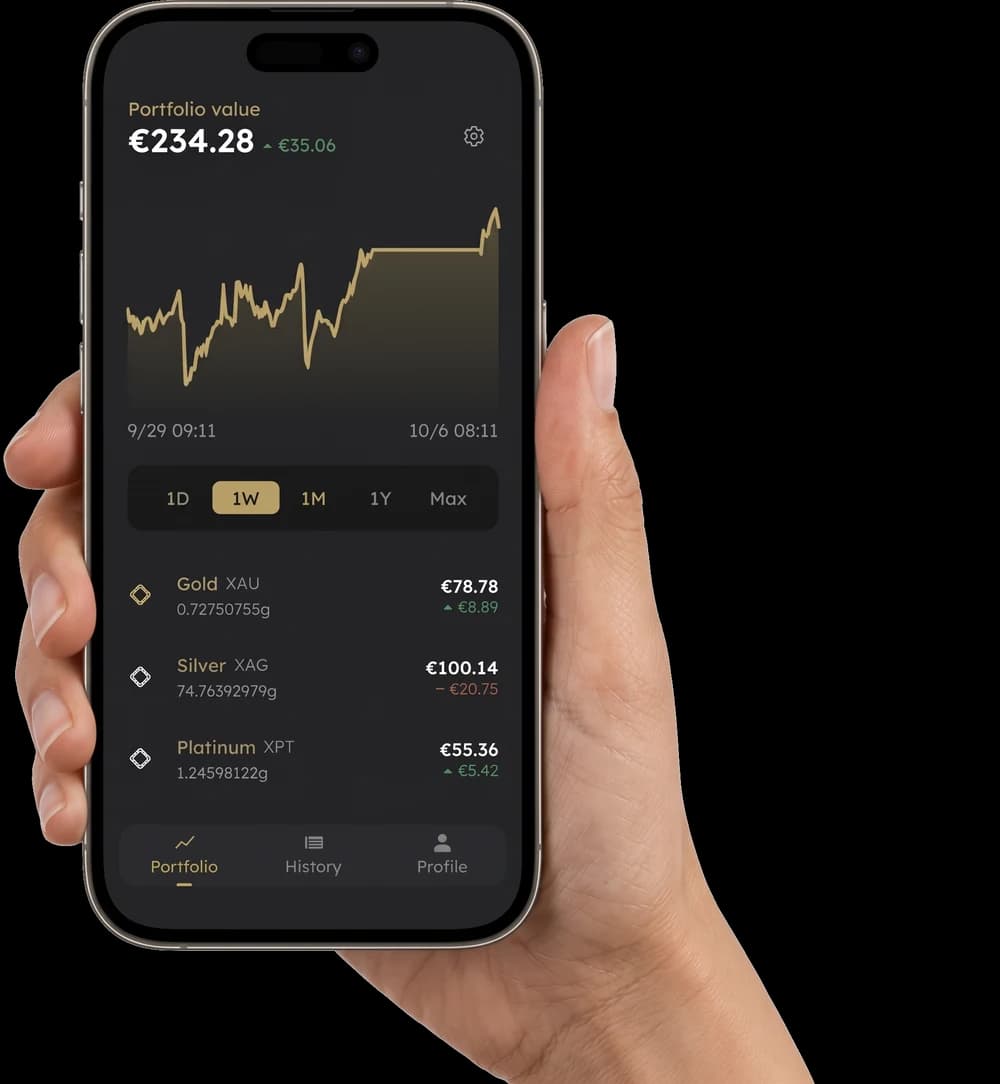
The solution is physical ownership. With the Spargold App, you make yourself independent of geopolitical games. You buy real, physical gold and silver that is securely stored for you – but always remains 100% your legal property. No paper-based system, no third-party access. Bring your personal “gold reserve” under your own control.
Stay sovereign,
Yours, Nils Gregersen