ETF Shock 2026: The "Nasty" Tax Surprise and How to Protect Your Wealth

January 27, 2026

January 2026 begins with a rude awakening for many investors. Anyone who has looked at their clearing account in recent days may have been surprised: unexpected debits have pushed many accounts into the red. The reason is not fraud or a bank error, but the German tax authorities. The keyword is: Vorabpauschale (advance lump sum).
While the financial media speak of a „nasty tax surprise,“ the downside of paper assets is once again becoming apparent. In this article, we highlight why the state is reaching out right now and why physical assets offer the decisive advantage in this environment.
The principle of the advance lump sum is hard to stomach for many ETF investors. The state does not want to wait until you sell your ETF shares to collect taxes. Instead, fictitious gains that you theoretically achieved in 2025 are already being taxed now.
Especially bitter in 2026: The base interest rate (Basiszins) relevant for the calculation remains high. This leads to an absurd situation:
„It feels like a punishment for saving. You have to inject money just to be allowed to hold your investment.“ – An angry ETF investor on X (formerly Twitter).
The actual risk lies in automation. Many portfolios are not covered with sufficient cash reserves, as investors often want to be „fully invested.“ When the custodian bank remits the tax, the clearing account slips into overdraft (Dispo). At current overdraft interest rates, this is an expensive matter that massively diminishes the compound interest effect of ETF saving.
Furthermore, the money is gone. Should prices fall during the course of 2026, you have paid taxes on gains that may ultimately no longer exist. Although this will be offset during a later sale, until then, you have granted the state an interest-free loan.
While ETF investors struggle with tax formulas and liquidity bottlenecks, precious metal investors look relaxed at the start of the year. The comparison could not be more extreme.
Anyone who buys physical gold or silver enjoys absolute tax freedom on price gains in Germany after a holding period of one year. There is no advance lump sum, no flat-rate withholding tax (Abgeltungsteuer), and no solidarity surcharge when selling after the speculation period.
Not only in terms of taxes, but also in value development, precious metals are ahead. We remember: Gold has already left the $4,300 mark behind. Silver has also established itself as one of the most valuable assets in the world with a market capitalization of over $4 trillion.
Let us compare the situation in January 2026:
| Criterion | ETF (Accumulating) | Physical Gold/Silver |
|---|---|---|
| Ongoing Taxation | Yes (Vorabpauschale), burdens liquidity. | No. €0 tax during the holding period. |
| Sale after >1 year | 25% flat-rate withholding tax + Soli. | 100% Tax-free. |
| Counterparty Risk | High (Issuer risk, special assets). | None (Physical ownership). |
The current „tax surprise“ with ETFs is a wake-up call. Paper assets are convenient, but they make you transparent and dependent on arbitrary tax laws. The advance lump sum is the price you pay for the convenience of the financial system.
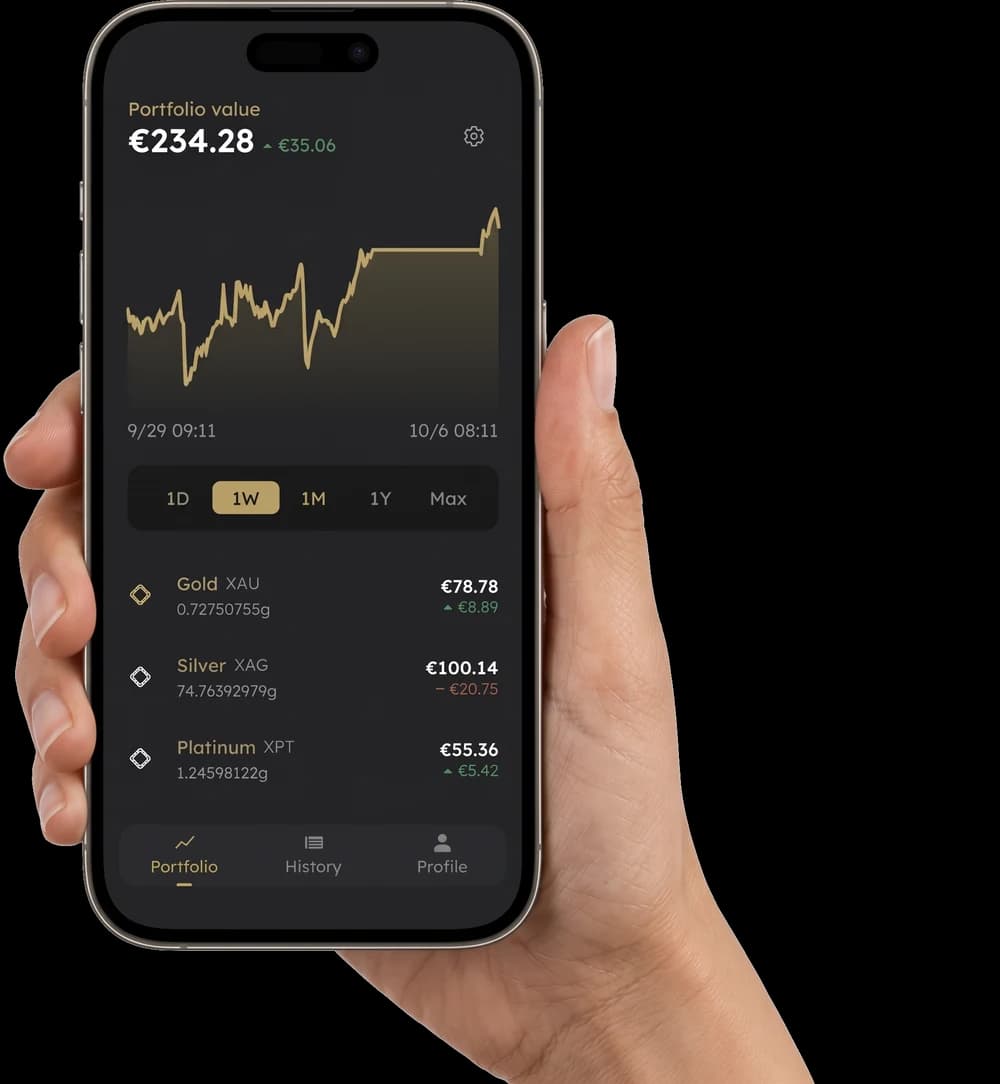
There is a better way. Use current gains – or losses – to realign your portfolio. With the Spargold App, you invest in real assets that are removed from the reach of the tax office through legal tax freedom (after a one-year holding period).
Goldman Sachs predicts a gold price of $4,900 for this year. Do you want to give away 25% of that plus the advance lump sum, or do you want to keep the full profit?
Act wisely and protect your returns.
Yours, Nils Gregersen