The End of the Riester-Rente: What the 2027 Reform Means for Your Retirement Planning

March 27, 2026

The Bundestag has officially sealed the end of the Riester-Rente in its current form. Starting January 1, 2027, a new chapter in private retirement planning will begin. However, while politicians speak of a "milestone," millions of savers are asking: Is my money truly safe in the new state-managed depots?
Since 2002, the Riester-Rente has been the flagship of private retirement planning. Yet the results are sobering: high fees, complicated subsidy rules, and a rigid contribution guarantee often completely eroded returns. The inflation of recent years dealt the final blow to many contracts. By the end of 2024, a quarter of the nearly 15 million contracts had already been made premium-free.
The core of the reform is the departure from the 100 percent contribution guarantee. The new Altersvorsorgedepot relies on the capital market. Here are the key points:
Although the reform promises flexibility, a fundamental problem remains: retirement planning continues to be tied to financial products and currencies. History shows that state-subsidized models often lose their appeal due to high administrative costs or political shifts. Furthermore, a pure equity portfolio is subject to high volatility in old age.
The 2027 reform may be a step in the right direction, but it does not replace a solid foundation. While politicians experiment with new depot models, one asset class has proven itself for millennia: physical precious metals.
Gold and silver offer protection that no state certificate can guarantee. They are free from third-party risks and serve as an ideal rock in the surf for your portfolio. In an era where pension systems must be "overhauled" every 20 years, gold simply remains gold.
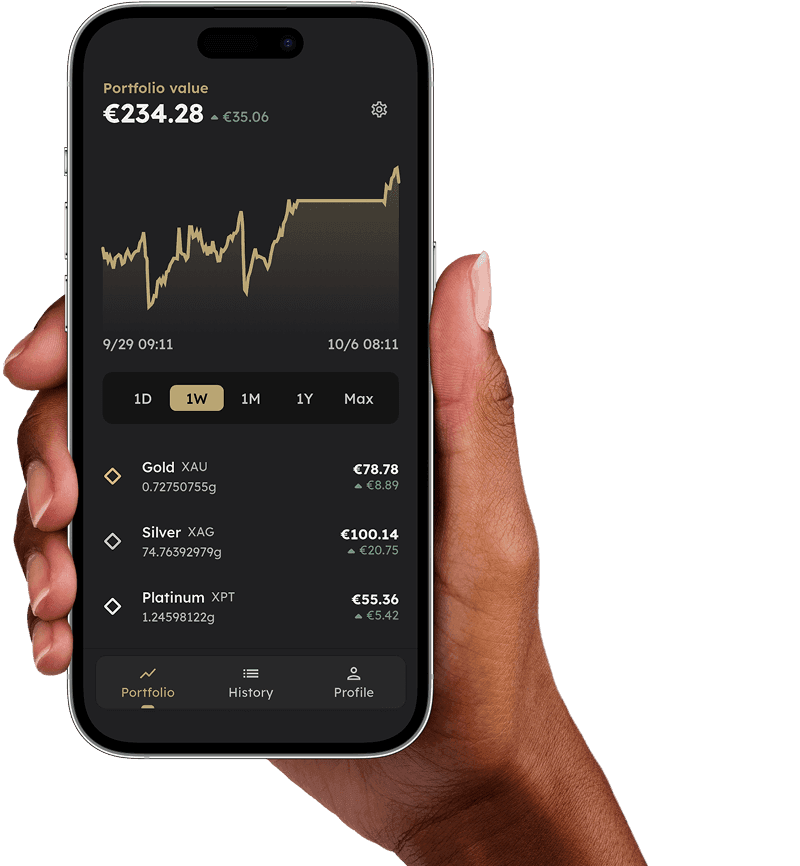
Our Tip: Supplement your retirement strategy with real assets. With the Spargold App, you can invest easily in physical gold and silver. This allows you to build a private supplementary pension that is not dependent on legislative changes or stock market crashes.